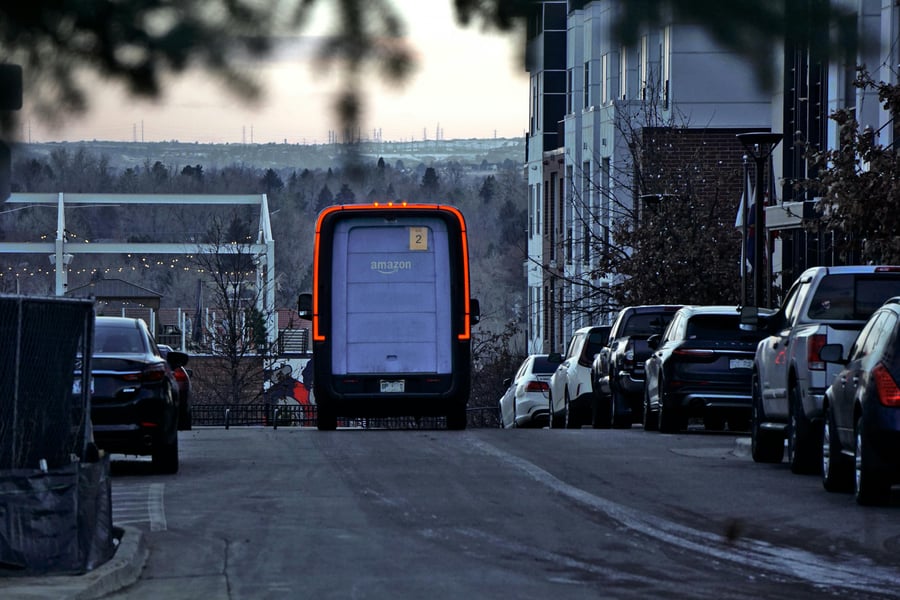
Winter delivery brings shorter days, icy roads, and unpredictable weather, which DSP drivers face across the U.S., especially in colder regions like the Midwest, Northeast, and Mountain States. According to NCCI, cold days near freezing lead to more workers’ comp claims, with slip-and-fall injuries and vehicle accidents spiking up to 10 percent higher than on milder days.
This winter season, drivers in the central and eastern U.S. should prepare for a “bookend” winter, with the biggest storms hitting early and late.
Staying safe is about planning ahead, protecting yourself, and following strategies that really work on the road and on foot.
Here is your guide to doing just that.
Navigating Low Visibility and Short Days
Short winter days mean low visibility.
Before leaving the station, check that your vehicle headlights are working. In poorly lit areas, you can use a headlamp or flashlight for additional visibility. Proper lighting helps you spot hazards like ice patches, puddles, and uneven surfaces.
While delivering, position your vehicle so headlights illuminate your walking path to and from drop-off points.
What drivers say:
“I have my trusty headlamp that attaches to my hat. Use it religiously during the winter.”
“Show up early and review your route. Get tricky areas done before dark, then tackle well-lit neighborhoods.”
“Buy a headlamp. When it gets dark at 3 pm, you’ll be glad you have it. Helps with scanning, taking pictures, and staying visible.”
Key Takeaways:
- Use reliable lighting in low-visibility areas.
- Headlamps or flashlights prevent slips and trips.
- Lighting is key for winter safety.
Check Weather Conditions Before Your Delivery Shift
Winter weather varies by region, from icy sidewalks in Chicago to heavy snow in New York or freezing rain in Denver. Check your local weather forecast before every shift. Snow, ice, or rain affects walking and driving conditions, so knowing what’s coming lets you plan your route, prepare gear, and avoid unexpected hazards.
What drivers say:
"First thing I do every single morning is check that weather radar."
“I always check the weather before my shift. Today it was -5 F with ice everywhere… I had to park on the street and walk carefully on sidewalks.”
Key Takeaways:
- Always check the forecast before your shift.
- Knowing conditions lets you plan ahead
- Awareness prevents unexpected accidents.
Preventing Slip and Fall Accidents: Winter Safety Tips for Icy Conditions
Falls, slips and trips is third most common workplace injury that involves days away from work. This becomes even more prevalent with icy conditions.
Ice and snow make one thing clear: slow is safe on foot and behind the wheel. Walk with short, flat steps like a penguin, wipe your boots before re-entering your vehicle, and move carefully around stairs or uneven surfaces. Behind the wheel: brake gradually, increase following distance, and take turns slowly. If conditions look unsafe, stop and assess, and mark the delivery as unsafe if necessary.
What drivers say:
“Do the same as usual, but more cautiously.”
“If stairs aren’t shoveled or salted, DON'T carry the packages up the stairs and risk getting hurt. Put them on the second or third step and make sure to get a good picture of the snow.”
“Scan in the van instead of on the way to the door; focus on your footing rather than trying to haul and scan 10 packages at once.”
Key Takeaways:
- Slow down on foot and behind the wheel.
- Use short, flat steps on icy surfaces.
- Brake gradually and drive cautiously.
- Use workplace safety devices to promote ergonomic awareness
Essential Winter Clothing and Gear for Delivery Drivers
Winter safety starts with what you wear. Layer clothing: moisture-wicking base, insulated middle layers, and a water-resistant outer layer. Gloves, hats, and ear coverings protect extremities, while high-ankle, slip-resistant shoes with good tread keep you steady on icy ground. Proper clothing keeps you warmer, more comfortable, and safer during your shift.
What drivers say:
“We give people flashlights, hand warmers, jackets. Heated socks last year were a game changer.”
“Invest in good thermals. Layers plus a decent jacket keep you warm even below freezing.”
“QUALITY SLIP RESISTANT, waterproof boots are essential.”
Key Takeaways:
- Layer clothes to stay warm and dry.
- Protect your head, ears, and hands.
- Wear high-ankle, slip-resistant shoes. (Here's our list of preferred shoes)
Winter Delivery Safety Checklist: Quick Reference Guide
DSP drivers who plan ahead, monitor the weather, stay visible, move carefully, and dress for the conditions are set up to handle winter safety. Use this guide as a quick checklist each shift to keep every delivery safe and on track.

Frequently Asked Questions About Winter Safety for Delivery Drivers
Safety talk information is for general guidance only and should not be relied upon for medical advice or legal compliance. Recommendations provided are general in nature; unique circumstances may not warrant or may require additional safety procedures and considerations. Kinetic, its affiliates and employees do not guarantee improved results upon the information contained herein and assume no liability in connection with the information or the provided suggestions. Kinetic does not make any warranty, expressed or implied, that your workplace is safe or complies with all laws, regulations, or standards.