
A package delivery driver in Fairburn, Georgia, started her first day on an unremarkable 78°F morning and never finished her route. She became dizzy, developed a severe migraine, and passed out in her delivery van. EMS responded.  If your organization employs delivery drivers, warehouse workers, or anyone in non-climate-controlled environments, heat illness is a risk you should be actively managing. And, if your workforce is offsite, the challenge is compounded. "For people working out by themselves, they really have to know their body and the response plan," says Kelsey Keith, Director of Loss Control at Kinetic.

How AI is Changing the Workers’ Compensation Broker’s Job — Before You’re Ready
A policyholder emails his broker the week before renewal. ChatGPT told him his workers’ compensation pricing is triple what it should be. He is not asking a question. He is arriving at the conversation with a the perspective that your quote is out of line.

How to Choose an Occupational Medicine Provider — And Why It Directly Impacts Your Bottom Line
Your employee wrenches their knee. The injury is manageable, but real. No preferred provider is on file, so the employee does what anyone would do: heads to the nearest emergency room.

Why a Return-to-Work Program is the Most Caring Thing You Can Do for Injured Employees
When an employee gets hurt, the instinct of many employers is immediate and sincere: "Take all the time you need. We'll handle things here." It feels like the right thing to do. The reality is that keeping an injured employee home until they're "fully healed" isn't compassionate. It's a well-intentioned decision that can make recoveries longer, costs higher, and outcomes worse—for everyone involved. The data on the benefits of return-to-work programs is unambiguous, and Kinetic's own claims results make the case plainly.
How to Build a Workers' Comp Return-To-Work Program: A Step-By-Step Guide
A foundational tenet of the workers' compensation system is to treat injured employees and assist them in regaining their ability to return to work in a timely and cost-efficient manner. One of the most effective strategies for achieving this is the implementation of a structured workers compensation return-to-work (RTW) program.

What To Do After a Workplace Injury: The First 24 Hours
Your warehouse employee slips on a wet floor and sprains their wrist. Or your driver gets rear-ended at a stoplight. If an employee gets injured at work, the first steps after a workplace accident can set the tone for everything that follows.

Workers' Compensation Claims Management: 2026 Employer Guide
Workers' comp claims management is how an employer, carrier, and adjuster keep an injury claim on track from first report to closure. Employers control four things that drive most of the cost: how fast they report, how often they communicate, whether they offer return-to-work, and how closely they monitor the claim.

Delivering Safely This Winter Season for Delivery Drivers
Winter delivery brings shorter days, icy roads, and unpredictable weather, which DSP drivers face across the U.S., especially in colder regions like the Midwest, Northeast, and Mountain States. According to NCCI, cold days near freezing lead to more workers’ comp claims, with slip-and-fall injuries and vehicle accidents spiking up to 10 percent higher than on milder days.

How to Sell Workers' Comp to Manufacturers: Broker's Guide to Winning Mid-Market Accounts
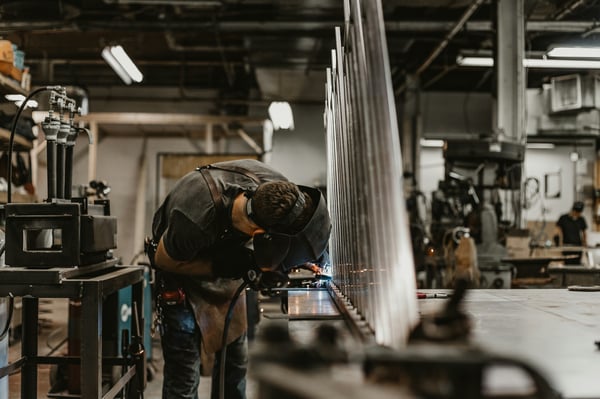
Manufacturing represents a $1.8 billion workers’ compensation opportunity in NCCI states, with average premiums of $148,298 per policy¹. California adds another $1.7 billion². With millions of workers operating in high-risk environments—hazardous machinery, repetitive tasks, and heavy workloads—injuries are a constant concern.³