

A man looking at workers' comp claims with an alert

Workers' comp claims management for employers

Close claims faster and save money with workers' compensation claims management built into your Kinetic policy—designed for employers who want more visibility, better outcomes, and more control.


Get In Touch

BENEFITS

Why choose Kinetic workers’ comp for claims management

Speed, measurable value, and trusted guidance.

HOW IT WORKS

A better way to manage workers' comp claims

Drive better claim outcomes with AI-driven workflows that guide employers through every claim from the moment of injury to closure.

1. Stop chasing updates
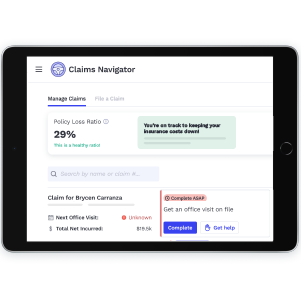
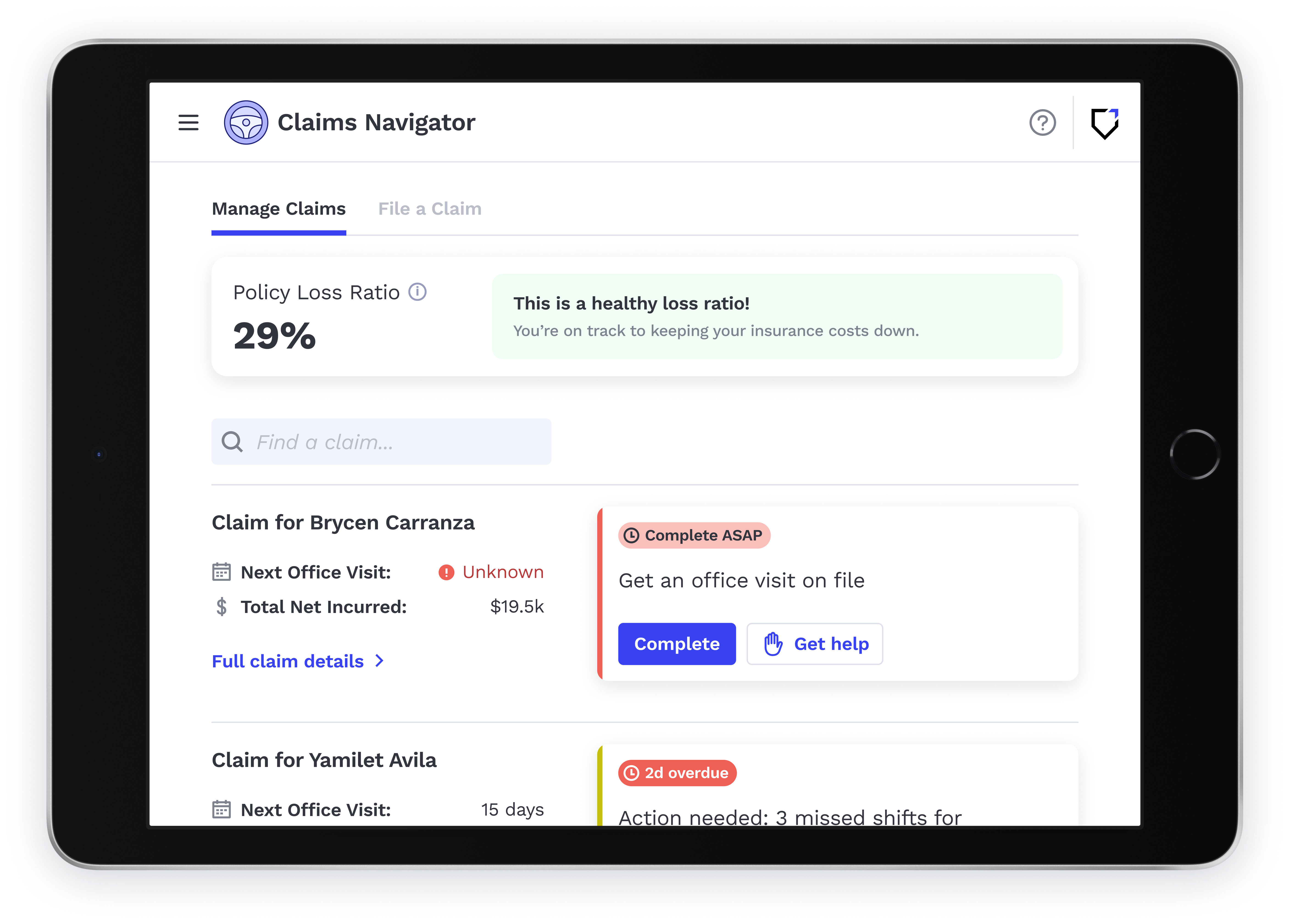
No more hunting through static portals and old emails. Adjuster notes and claims data are pulled in daily, so you always know what's happening.

Claim's management system dashboard showing loss ratio
2. Spot risk early

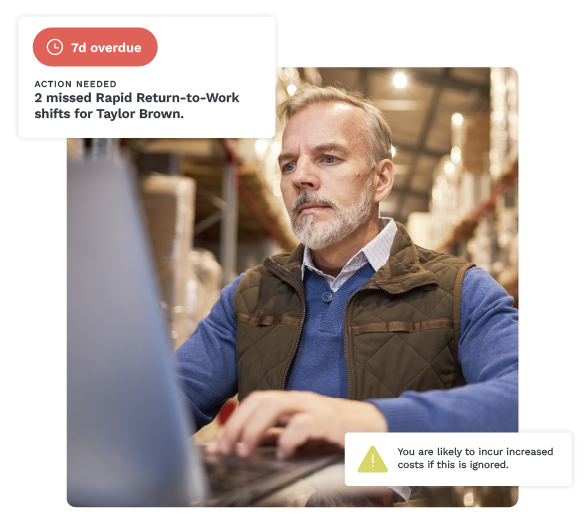
See missed appointments, stalled return-to-work, or drifting claims before costs climb.

A women and man reviewing claims alerts on a claims handling system
3. Act with confidence

Get clear next steps delivered to your inbox, phone, or dashboard so you know where to focus.

A text message shows what steps need to be taken on a workers' comp claim
4. See the cost of waiting

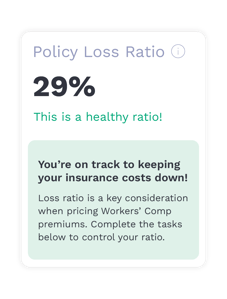
Understand how claim delays impact your loss ratio in real time, making the cost of waiting visible.

A screen shot showing the policy loss ratio in a claims handling system

"There is NO comparison to other work comp providers' claim processing and treatment to us.”

Owner

Parcel Delivery Provider

FEATURES

Built for employers who want better outcomes

See every claim in one clear, continuously updated view.

Follow step-by-step guidance so anyone can manage claims with confidence.

Replace quarterly claims reviews with real-time insight and action.

Understand the cost of doing nothing with live loss ratio visibility.

Get support from Policyholder Success Managers when you need it.

The Kinetic Injury Management Platform

Predict risks, prevent injuries, and manage incidents when they happen. See how you can reduce workplace injuries, lower costs, and help employees get back to work—all in one platform.

Close claims faster, save money

Claims Navigator FAQs

Is Claims Navigator included in my workers' compensation policy?
icon (1)

Yes, Claims Navigator is available for all Kinetic policyholders, at no additional cost. Your program may also include tech-managed Return-to-Work or Reflex safety wearables based on your risk profile.

What is workers' compensation claims management?
icon (1)

Workers' compensation claims management is the process of reporting, tracking, and actively managing a workplace injury from the moment an injury occurs through return to work and claim closure. Effective claims management helps employers close claims faster, control costs, and support injured employees.

When should an employer report a workers' comp claim?
icon (1)
Claims should be reported as soon as possible.  Even if all the details aren't available, aim to report no longer than 24 hours of the injury. According to the NCCI, delayed reporting can increase claim costs by up to 51% and lead to longer recovery times as well as legal and compliance risks.
Who's responsible for managing workers' comp claims?
icon (1)
Both play a role. Insurers and adjusters handle claim administration and payments, but employers are responsible for timely reporting, communication with injured workers, and return-to-work coordination. Active employer involvement has a major impact on claim cost and length.
How can employers reduce claims costs?
icon (1)

Claims can become expensive when early warning signs like missed light-duty work, outdated restrictions, or gaps in communication go unnoticed. A claims management system helps employers spot drift early and take the right action at the right time, preventing minor issues from turning into costly medical and indemnity claims.

What role does return-to-work play in claims management?
icon (1)

A structured return-to-work program is one of the most effective ways to reduce claims costs. Bringing injured employees back in modified or transitional roles shortens claims length, supports recovery, and significantly lowers indemnity costs.